

Go Underground, Come Back Safe
Plan Above Before You Go Below
Trip Plans And Check‑In Rituals
Your trip plan should fit on a phone and a scrap of paper: entry point, intended route, team list, gear highlights, time checks, and a firm overdue window. Send it to someone reliable, not on the trip, who understands not to self‑rescue but to initiate a callout if silence persists. Inside the cave, revisit the plan at each major junction, reinforcing memory while quietly catching small drift before it becomes a detour.
Permissions, Access, And Respectful Stewardship
Open gates and open minds go together. Confirm permission, seasonal restrictions, parking etiquette, and biological sensitivities before lacing your boots. Practice Leave No Trace underground: stay on durable paths, avoid touching formations, and remove every micro‑trash strand. Gratitude notes and shared photos (sans locations) strengthen relationships for future visits. When communities see careful visitors who protect bats, water, and rock, invitations return, and fragile places stay healthy for the next generation of careful learners.
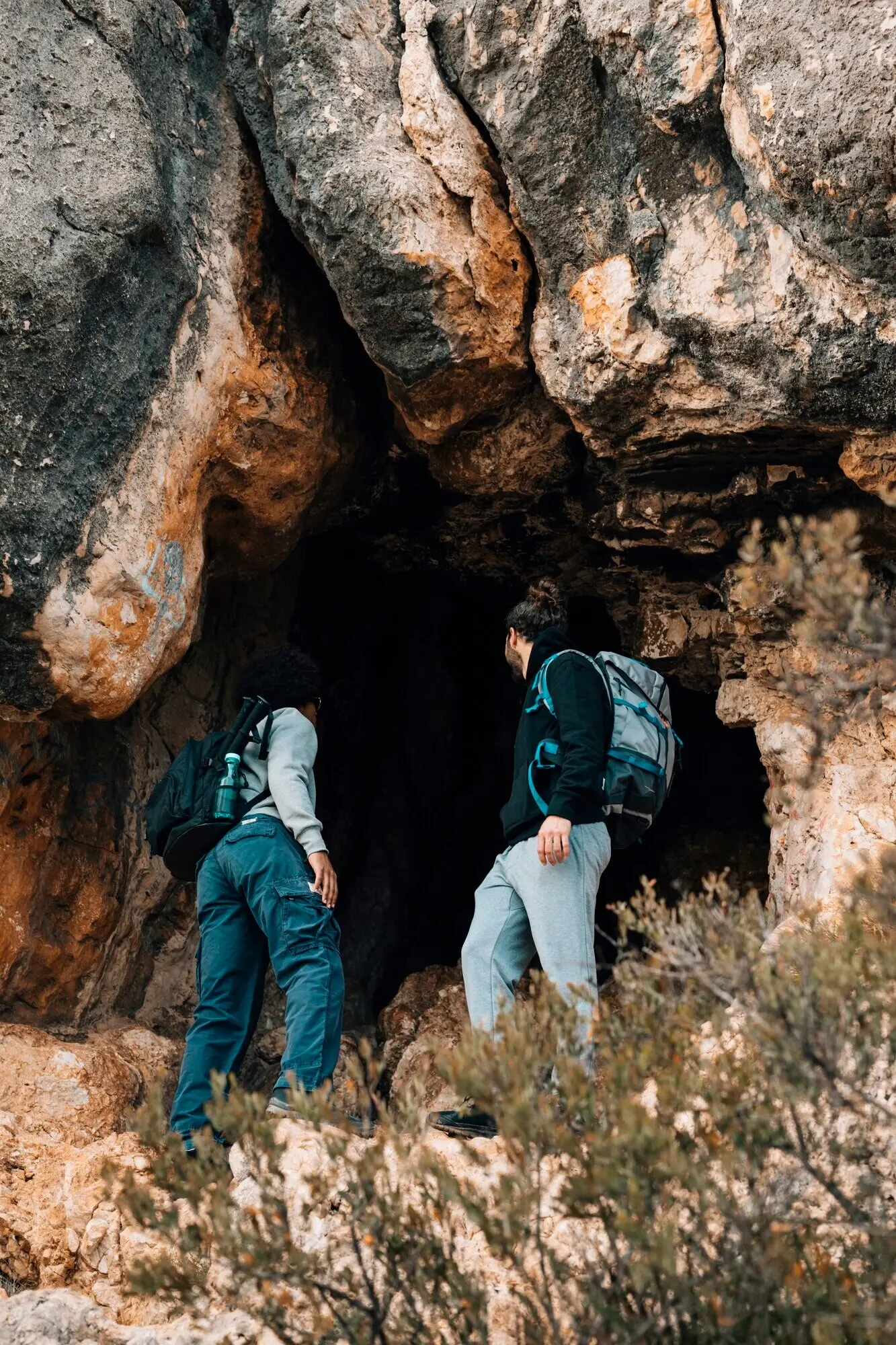
Gear That Keeps You Breathing, Balanced, And Bright
Reading Rock, Water, And Weather
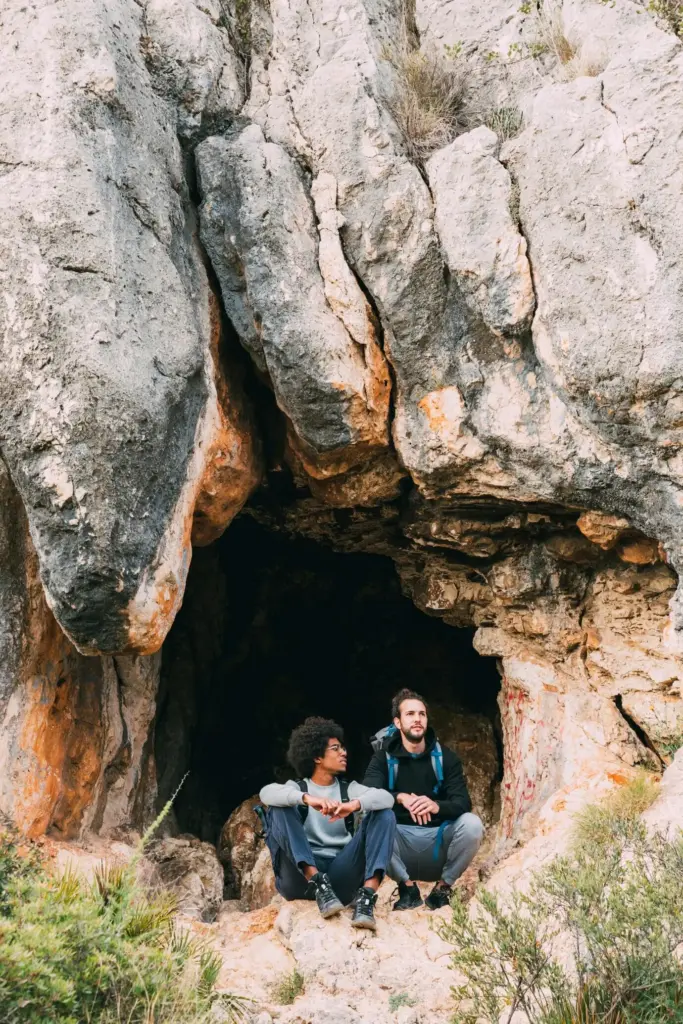
Hydrology Clues That Predict A Sudden Rise
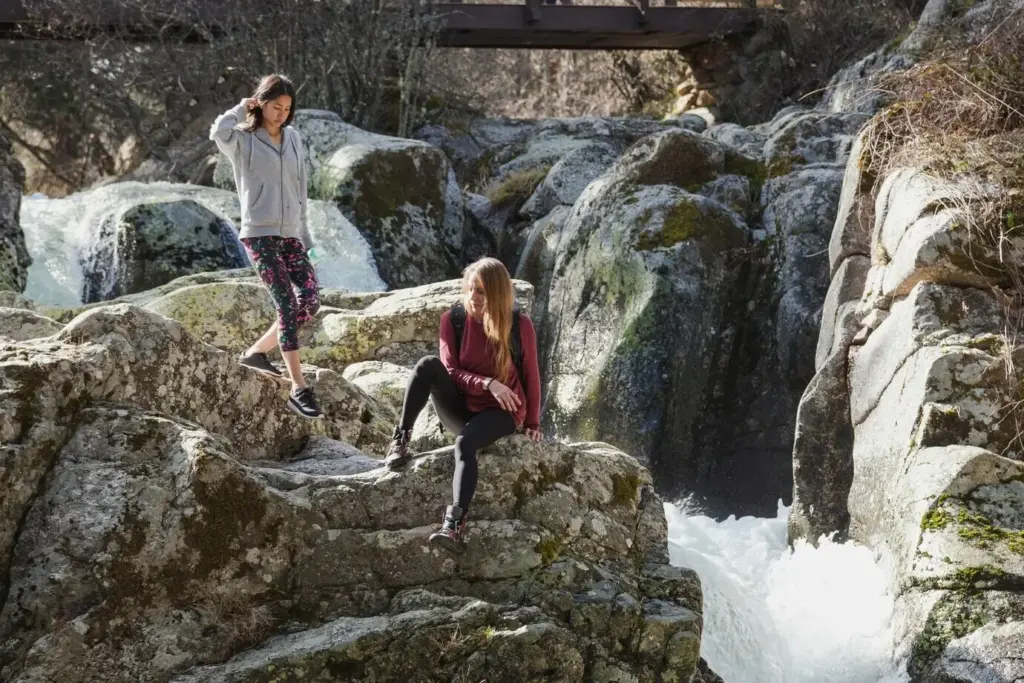
Ceilings, Floors, And Fragile Formations
Ropes, Rigs, And Edges Around Sinkholes
Anchors, Padding, And Redundant Thinking
Good anchors begin with humility. Favor solid, independent points you can evaluate, distribute load with thoughtful angles, and back up questionable placements or walk away. Use rope protectors where stone can bite, pad sharp lips generously, and keep all metal from chattering against formations. Photograph setups for learning, not bragging, and dismantle carefully. Debrief anchor choices afterward, updating a shared notebook so the next rig begins with clearer eyes and steadier hands.
Descending And Ascending With Calm Precision
Descending smoothly is choreography between device, friction, and attention. Keep hair, clothing, and slings clear, test lower friction before leaving safety, and move deliberately to conserve strength. On ascent, maintain three points of attachment, breathe steadily, and rest early rather than late. Calm voices and small corrections keep vertical lessons from becoming emergencies. If doubts linger, re‑rig patiently or re‑climb a few meters to reset focus and recover confidence together.

Navigation, Marking, And Getting Back Out
Survey Basics And Memory Breadcrumbs
Staying In Touch When Voices Vanish
Dead Ends, Squeezes, And Wise Turnarounds
Health, Hazards, And Emergency Readiness
All Rights Reserved.