
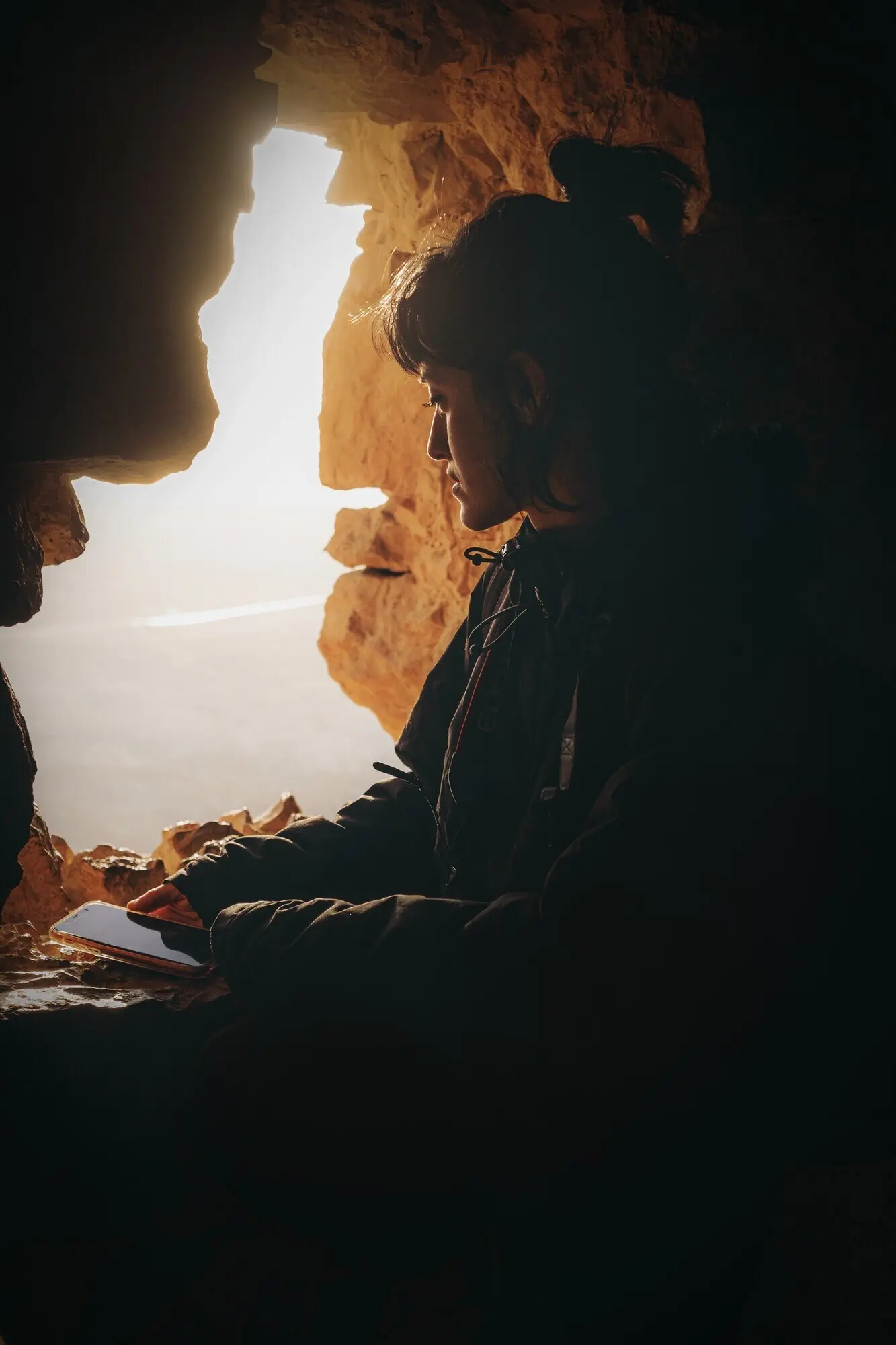
Weekend Light, Ancient Stone

Step into a practical, story-driven exploration of photographing limestone formations, shaped as a weekend shooter’s field guide for fast escapes and unforgettable frames. We’ll decode rock structure, chase expressive light, travel light yet prepared, and edit with restraint, so your next short trip returns with images that feel geological, timeless, and proudly yours.

Reading the Rock: Geology for Better Composition
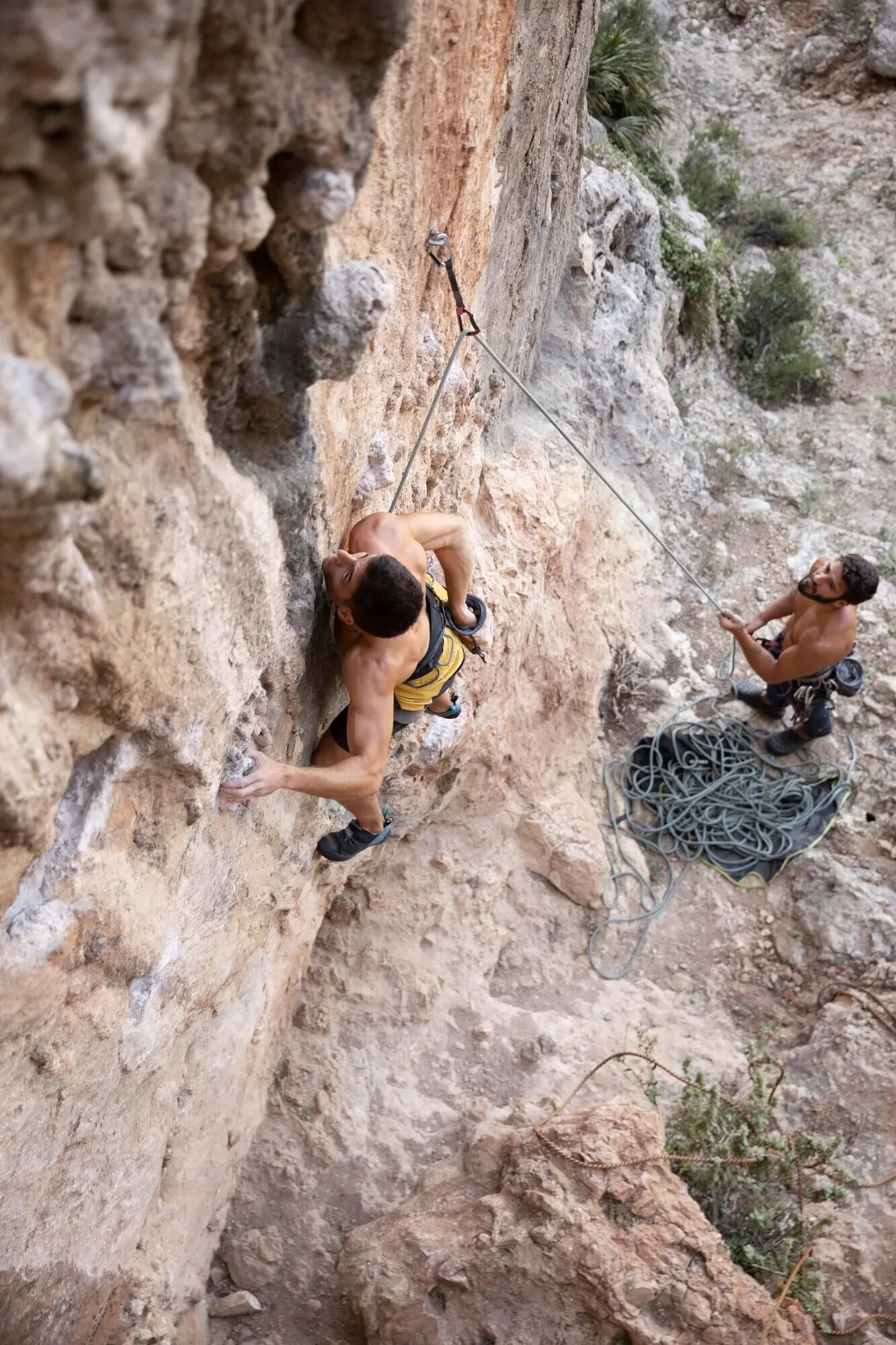
Limestone tells stories through bedding planes, joints, fossils, and dissolution patterns that shape cliffs, pavements, caves, and towers. Understanding these cues transforms guesswork into intentional framing. Picture rain-darkened calcite polishing edges, or travertine terraces rhythmically stepping into perspective. A ranger once pointed at a faint seam and said, “That’s your horizon.” Moments like that anchor stronger choices and kinder footsteps on fragile stone.

Light Over Karst: Timing, Weather, and Color

Arrive before twilight so your first frames catch raking light striking the rock’s tiny ledges. Watch how shadows stretch like measured brushstrokes, helping the eye travel from foreground furrows to distant cliffs. A five-minute window can transform flat slabs into sculpted relief. Keep moving your feet; a shoulder’s shift or step upward often doubles the drama without needing a heavier lens.
Soft cloud cover tames contrast and respects subtle color variations in limestone, particularly along wet streaks and mineral traces. A circular polarizer can reveal hidden depth by cutting glare, but rotate gently to avoid plastic-looking tones. Overcast days reward patience and tripod discipline; use longer exposures to let breezes paint grasses into atmospheric threads weaving between firm planes of weathered stone.
Under a calm moon, pale rock glows while shadows settle like velvet. Try long exposures that let constellations arc above pinnacles, yet preserve honest tonality. Blue hour compresses color temperature differences, giving limestone a quiet presence that feels contemplative. Bring a dim headlamp and paint only a whisper, avoiding hotspots; restraint preserves mood and keeps the scene believable, grounded, and unforgettable.

Footwork and Framing: Lenses, Angles, and Scale
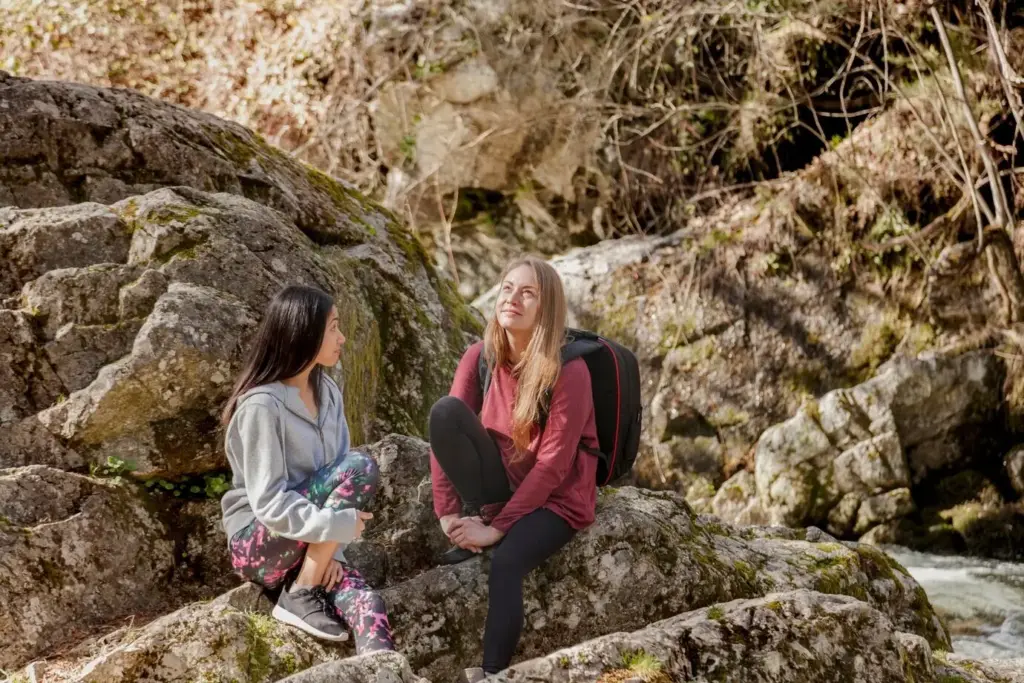
Ultra-Wide Without Distortion Chaos

Ultra-wide lenses invite the foreground to shout. Let it speak clearly but not scream. Keep the lens level to protect horizons, then introduce a modest tilt only when lines genuinely benefit. Place a textured slab near the lens as an anchoring preface, then let midground terraces and distant cliffs complete the sentence. Simplicity wins more viewers than acrobatics done merely for spectacle.

Telephoto Compression Across Ridges

Ultra-wide lenses invite the foreground to shout. Let it speak clearly but not scream. Keep the lens level to protect horizons, then introduce a modest tilt only when lines genuinely benefit. Place a textured slab near the lens as an anchoring preface, then let midground terraces and distant cliffs complete the sentence. Simplicity wins more viewers than acrobatics done merely for spectacle.

Human Scale, Ethical Presence

Ultra-wide lenses invite the foreground to shout. Let it speak clearly but not scream. Keep the lens level to protect horizons, then introduce a modest tilt only when lines genuinely benefit. Place a textured slab near the lens as an anchoring preface, then let midground terraces and distant cliffs complete the sentence. Simplicity wins more viewers than acrobatics done merely for spectacle.

Fieldcraft Essentials: Safety, Access, and Ethics

Limestone can be slick, sharp, hollow, and surprisingly delicate. Good fieldcraft protects you and the place. Check permits, local rules, and seasonal closures; tidal charts matter at sea caves. Microspikes, gloves, helmet, and a small first-aid kit weigh less than regret. Share space with climbers and cavers kindly. Document, don’t disturb. Great images feel earned and gentle, not rushed or careless.

Permits, Access, and Local Knowledge

Before driving at dawn, call a ranger station or local guide shop. They’ll highlight hazards, share sunrise angles, and confirm which paths tolerate foot traffic. Many limestone sites hide endangered flora in pavement cracks; one careless step can undo decades. When communities see photographers practicing care, gates open and conversations bloom, building the trust that turns future weekends into deeper invitations and friendships.

Tides, Caves, and Hidden Hazards

Sea arches seduce, then trap the unwary as water rebounds faster than expected. Study tide tables, swell forecasts, and entry points you can actually exit. In caves, falling drips smooth rock like ice; helmets and dry bags save days. If thunder rolls, retreat. No shot deserves a rescue. Learned caution writes better stories than bravado, and your camera battery prefers tomorrow too.
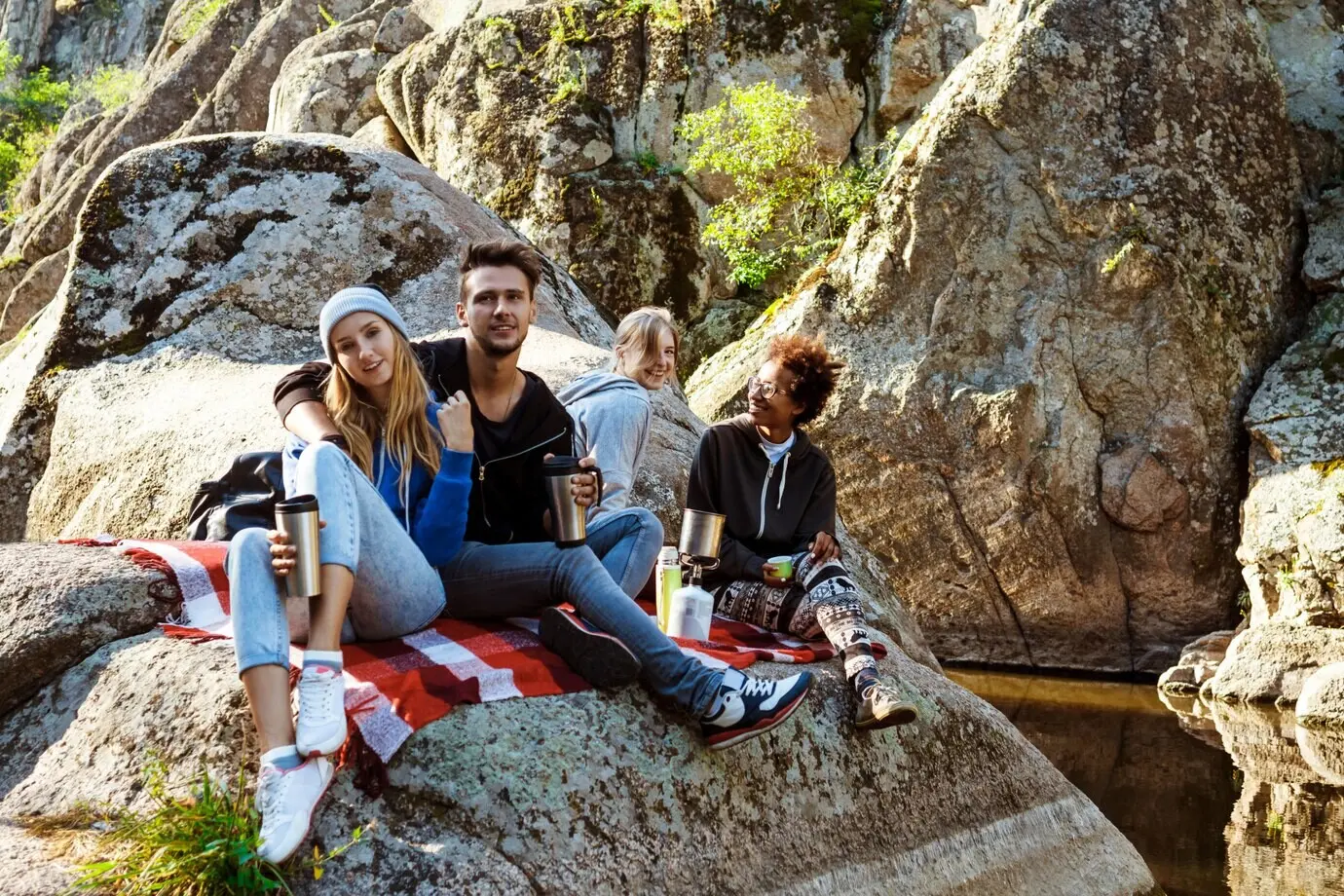
Mobile to Mirrorless: Practical Kits for Weekend Miles

Pack lean so curiosity outpaces fatigue. A lightweight mirrorless with a wide zoom and a compact tele pairs beautifully with a confident mobile phone for quick notes and scouting. Add a travel tripod, polarizer, soft cloths, spare batteries, and a headlamp. Rain covers save sensors. Once, forgetting a headlamp cost me perfect blue hour; preparation buys freedom while spontaneity writes the captions.

Lightweight Core Kit Checklist

Carry one body, two lenses spanning wide to moderate telephoto, a collapsible tripod, remote release, microfiber cloth, and a breathable rain shell for both camera and self. Include a lens pen, two cards, gaffer tape, and a slim multi-tool. This humble kit punches above its weight, letting you explore long ridges without the slow regret of a brick-heavy bag dragging every step.

Filters That Actually Matter

A circular polarizer remains the most useful add-on for limestone, controlling glare while deepening wet textures. Add a soft graduated neutral-density for bright skies over pale rock, and a sturdy solid ND if moving water needs taming. Skip novelty effects; reliability wins weekends. Protect the filter threads, keep them clean, and rotate deliberately, watching live view until reflections surrender yet colors stay believable.

Comfort, Power, and Redundancy

Comfort buys creative attention. Pack light gloves, a warm layer, and grippy shoes that respect slick calcite. Bring more batteries than pride suggests; cold mornings drain confidence first. Keep a phone power bank, offline maps, and paper backups. Redundancy feels boring until everything works. Then it feels like clarity. And clarity photographs limestone better than any secret setting whispered on the internet.

From RAW to Reveal: Editing Limestone Textures and Tones

Post-processing should honor the stone, not dress it in costumes. Start with accurate white balance, gentle contrast, and selective texture where detail merits attention. Use masks to guide light rather than rewrite geology. Protect highlights so calcite doesn’t glow unnaturally. Share before-and-after sequences to discuss choices, learn from peers, and celebrate restraint. Subscribe and comment with your edits; we’ll trade insights generously.

Calibrated Color and Honest White Balance

Limestone leans warm, but surrounding foliage and shade can mislead your eye. Build a reliable baseline using a gray card or a trusted profile, then nudge temperature sparingly. Keep blues in shadows natural, avoiding cyan drift that cheapens mood. If doubt lingers, compare with a neutral rock area from the scene. Consistency across a set tells viewers you looked carefully, then listened longer.

Shaping Light with Masks and Local Contrast

Dodge along ridges to coax form forward; burn in gaps where chaos distracts. Texture and clarity sliders sparkle on micro-details yet can punish skies, so constrain adjustments with precise masks. A light dehaze along oblique shadows organizes the midtones without plastic sheen. When the rock’s carved whispers become legible but not loud, you have reached the sweet spot where honesty meets intention.
Nufenemefarina
Privacy Overview

This website uses cookies so that we can provide you with the best user experience possible. Cookie information is stored in your browser and performs functions such as recognising you when you return to our website and helping our team to understand which sections of the website you find most interesting and useful.