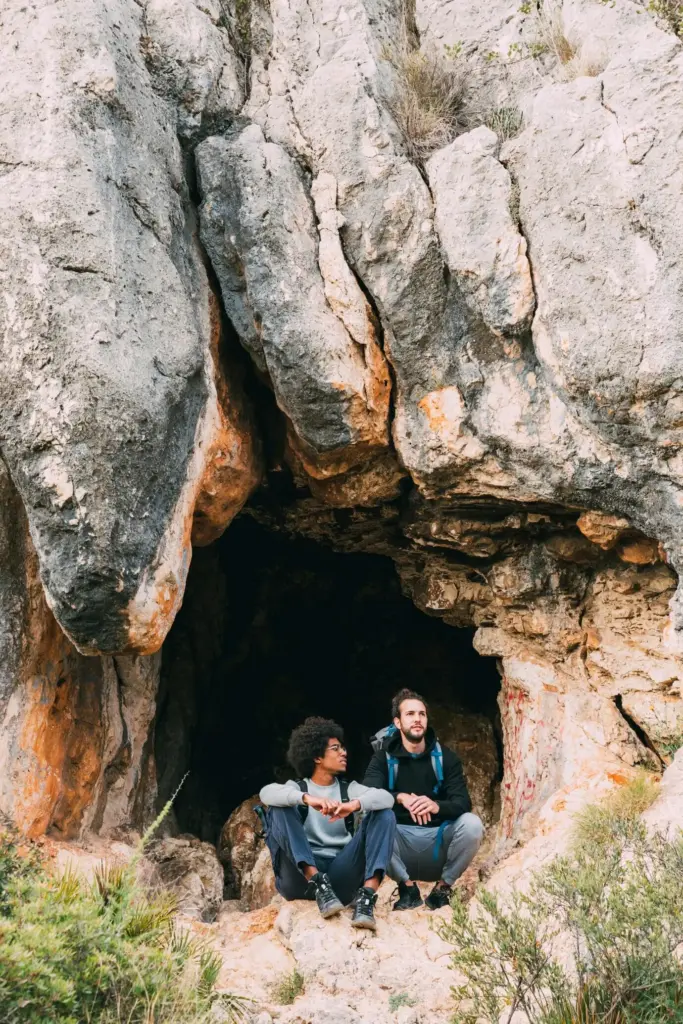

Go Underground, Come Back Safe

Before the first footstep echoes in a limestone corridor, let’s dive into essential safety tips for exploring limestone caves and sinkholes. From planning and gear to weather, anchors, and rescue readiness, this guide distills field‑tested practices, cautionary stories, and encouraging rituals that protect curiosity without dimming wonder. We will spotlight common mistakes, smarter alternatives, and small habits that compound into big safety margins. Share your own lessons and questions below to help the next explorer return with memories, not mishaps.

Plan Above Before You Go Below

Preparation turns mystery into manageable risk. Scout maps and recent trip reports, check hydrology and access notes, and set a conservative turnaround time tied to daylight, energy, and weather. Write a clear plan, name a check‑in contact, and agree on objectives that match the least experienced caver’s comfort. Respect closures protecting bats and formations, and approach landowners with gratitude. These simple courtesies open doors, reduce surprises, and build trust between surface communities and those who love the quiet underworld.

Trip Plans And Check‑In Rituals

Your trip plan should fit on a phone and a scrap of paper: entry point, intended route, team list, gear highlights, time checks, and a firm overdue window. Send it to someone reliable, not on the trip, who understands not to self‑rescue but to initiate a callout if silence persists. Inside the cave, revisit the plan at each major junction, reinforcing memory while quietly catching small drift before it becomes a detour.

Permissions, Access, And Respectful Stewardship

Open gates and open minds go together. Confirm permission, seasonal restrictions, parking etiquette, and biological sensitivities before lacing your boots. Practice Leave No Trace underground: stay on durable paths, avoid touching formations, and remove every micro‑trash strand. Gratitude notes and shared photos (sans locations) strengthen relationships for future visits. When communities see careful visitors who protect bats, water, and rock, invitations return, and fragile places stay healthy for the next generation of careful learners.
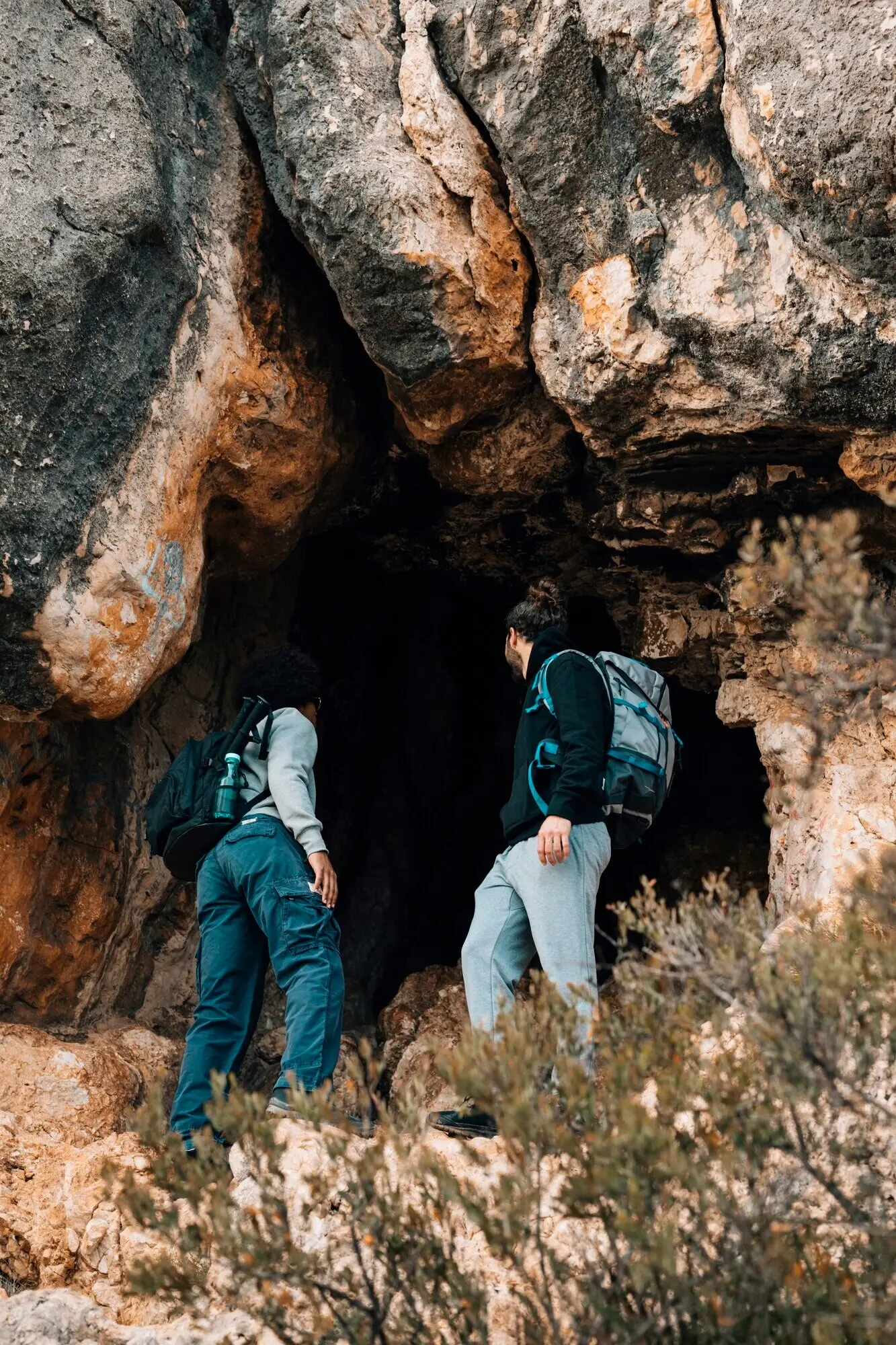
Gear That Keeps You Breathing, Balanced, And Bright

Treat light like life support. Wear a primary headlamp with a dependable beam profile, carry two backups, and protect batteries from moisture and cold. Test each switch before you leave the vehicle. Angle beams away from eyes during conversations to preserve night vision and friendship, and mark spare lamps where hands find them fast. Pack extra o‑rings for waterproofing, label sets by date, and replace aging cells before they teach a hard lesson.
Limestone can be sharp enough to shred fabric and confidence. Choose boots with edging power on damp rock, gloves that balance dexterity and protection, and rugged layers that shrug off crawls. Add knee and elbow pads for long crawls, and consider a thin helmet liner to stay warm without fogging lenses or muffling awareness. Tape hot spots early, trim nails, and keep a tiny repair kit ready for wayward buckles, peeling soles, or rebellious straps.
Most trips breathe easy, yet pockets of carbon dioxide or low oxygen sometimes lurk in depressions and poorly ventilated chambers. A small, well‑maintained multi‑gas monitor and the discipline to back out at the first warning beat folklore tests every time. If dust rises from guano, a simple mask preserves lungs and momentum. Treat coughing as communication, not discomfort, and rest where fresh air flows, because rushed lungs rarely make wise route decisions.

Reading Rock, Water, And Weather

Karst is a living archive of water, fractures, and time. Read rock scallops, silt lines, and debris jams to imagine recent flood heights. Check radar, river gauges, and soil saturation before committing, because dry entrances can hide fast‑filling sumps downstream. Temperature drops and steady drafts hint at connections; muffled roars may warn of rising water. Respect fragile formations and ceilings scarred by rockfall; they tell stories about gravity that deserve attention, humility, and generous space.

Hydrology Clues That Predict A Sudden Rise
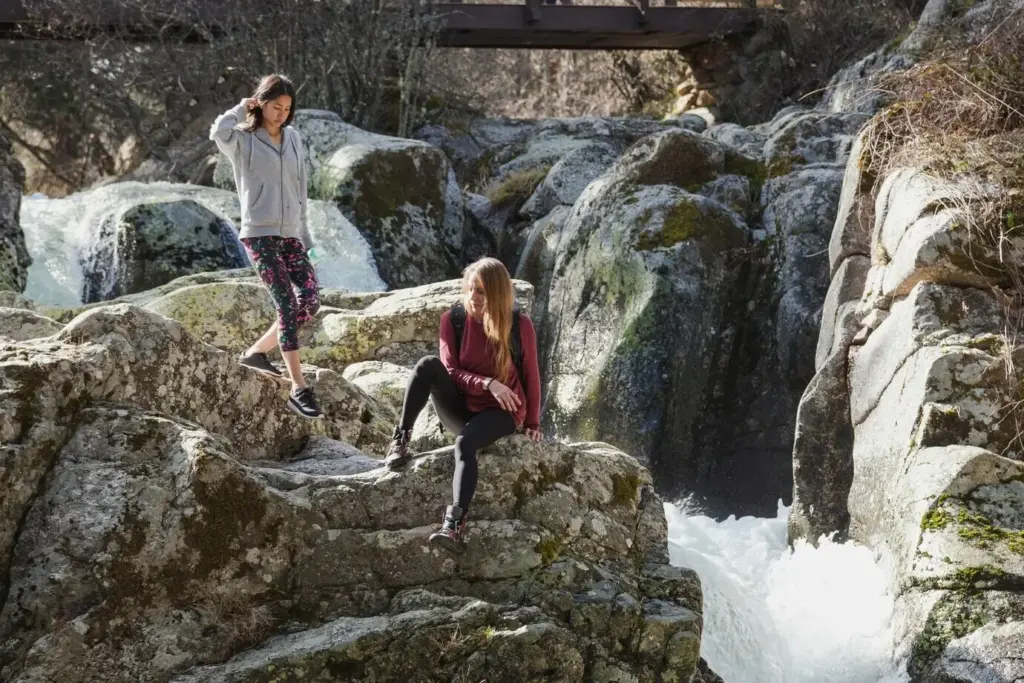
A little rain far away can outrun your headlamp. Learn the watershed feeding your entrance, note constrictions that funnel flow, and measure turnaround times against dark clouds, not optimism. Mud rings on walls, fresh leaves tangled high, and clean, recently scoured rock are honest historians. If uncertainty grows, retreat while return routes are simple, because bravery measured in hours instead of inches keeps tomorrow’s plans possible and friendships relaxed.

Ceilings, Floors, And Fragile Formations

Stalactites, soda straws, and draperies took centuries to grow; a single careless touch steals their gloss forever. Scan for loose blocks, hollow‑sounding plates, and stress cracks in ceilings before resting beneath them. Step on durable rock, not delicate deposits, and steer boots away from rimstone dams that irrigate living calcite terraces. Kneel on pads during photos, breathe gently near crystals, and let reverence guide every movement through the glittering quiet.

Ropes, Rigs, And Edges Around Sinkholes

Vertical ground around sinkholes rewards patience and systems thinking. Protect edges with pads and directionals, choose anchors that are redundant, equalized, and easily inspected, and keep knots away from abrasion. Practice single‑rope techniques on friendly terrain before committing to deep drops. Clear communication, gentle rope handling, and realistic contingencies convert exposed moments into confident routines that respect the land and your limits. Redundancy, backups, and clean rigging diagrams are invitations to come home smiling.

Anchors, Padding, And Redundant Thinking

Good anchors begin with humility. Favor solid, independent points you can evaluate, distribute load with thoughtful angles, and back up questionable placements or walk away. Use rope protectors where stone can bite, pad sharp lips generously, and keep all metal from chattering against formations. Photograph setups for learning, not bragging, and dismantle carefully. Debrief anchor choices afterward, updating a shared notebook so the next rig begins with clearer eyes and steadier hands.

Descending And Ascending With Calm Precision

Descending smoothly is choreography between device, friction, and attention. Keep hair, clothing, and slings clear, test lower friction before leaving safety, and move deliberately to conserve strength. On ascent, maintain three points of attachment, breathe steadily, and rest early rather than late. Calm voices and small corrections keep vertical lessons from becoming emergencies. If doubts linger, re‑rig patiently or re‑climb a few meters to reset focus and recover confidence together.

Navigation, Marking, And Getting Back Out

Survey Basics And Memory Breadcrumbs

Simple survey habits compound safety. Note bearings at major forks, count paces between landmarks, and draw crude plans that capture proportions, not perfection. Name rooms and boulders to anchor memory. On return, verify features in reverse order, correcting confidently when reality contradicts sketches, because humility paired with curiosity is the most reliable compass. Encourage each teammate to narrate the route, turning quiet details into shared, retraceable memory.

Staying In Touch When Voices Vanish

Sound can vanish behind bends and waterfalls, so plan for silence. Agree on light flashes, rope tugs, and shoulder taps for common messages, and test them in darkness before committing. Carry a small whistle for surface signaling, and keep radios, if permitted, dry and labeled. Clear codes reduce confusion when nerves start whispering. Rotate lead and sweep so everyone practices communication from different positions, strengthening trust when visibility and patience grow thin.

Dead Ends, Squeezes, And Wise Turnarounds
Backing out is not defeat; it is craftsmanship. When a passage narrows or demands awkward contortions, evaluate exit feasibility under fatigue, not enthusiasm. If packs snag or breathing feels rushed, place a time cap on experimentation and protect the strongest teammate’s energy. Pride never paid a rescue bill; prudence often prevents one. Mark the decision point clearly in your notes, then celebrate the discipline that keeps future options open.

Health, Hazards, And Emergency Readiness

Human limits, not monsters, cause most underground trouble. Cold stone, evaporative cooling, and slow hours sap warmth and judgment, while slippery slopes court sprains that cascade into long delays. Carry a compact first aid kit you know how to use, extra insulation sealed dry, and sugar‑salt snacks. Leave a detailed callout, accept conservative cutoffs, and practice simple self‑rescue while celebrating the choice to wait for help when signals or skills run thin. Share your preparedness tips so we can learn together.
Nufenemefarina
Privacy Overview

This website uses cookies so that we can provide you with the best user experience possible. Cookie information is stored in your browser and performs functions such as recognising you when you return to our website and helping our team to understand which sections of the website you find most interesting and useful.