
Sapphire Currents Through Karst Country

Welcome aboard a journey into spring-fed rivers and blue holes in limestone regions, where aquifers breathe cold clarity into winding runs and circular, light-swallowing basins. We will paddle routes shaped by dissolving rock, steady flows, glassy visibility, and delicate underwater gardens that challenge skills, sharpen senses, and reward patient curiosity.

How Limestone Shapes Water That Seems to Glow

The Chemistry Behind That Electric Blue

The turquoise you see isn’t magic; it’s optics and minerals dancing together. Microcrystalline calcite and suspended limestone fines scatter shorter wavelengths, while bright sand and shell fragments bounce light upward. Combined with remarkable water clarity and minimal tannins, the color appears impossibly saturated, transforming every paddle stroke into a small brushstroke on a living, luminous canvas.

Why Springs Run Steady When Other Rivers Flood

Aquifers act like vast natural reservoirs, soaking up rainfall and releasing it through vents at a measured pace. While flashy streams spike during storms, spring runs often stay predictably navigable. Constant discharge moderates currents, sustains temperature near seventy-two degrees Fahrenheit, and cushions ecosystems against sudden changes, giving paddlers reliable conditions for route timing, safety planning, and serene exploration year-round.

From Sinkhole To River: The Karst Lifecycle

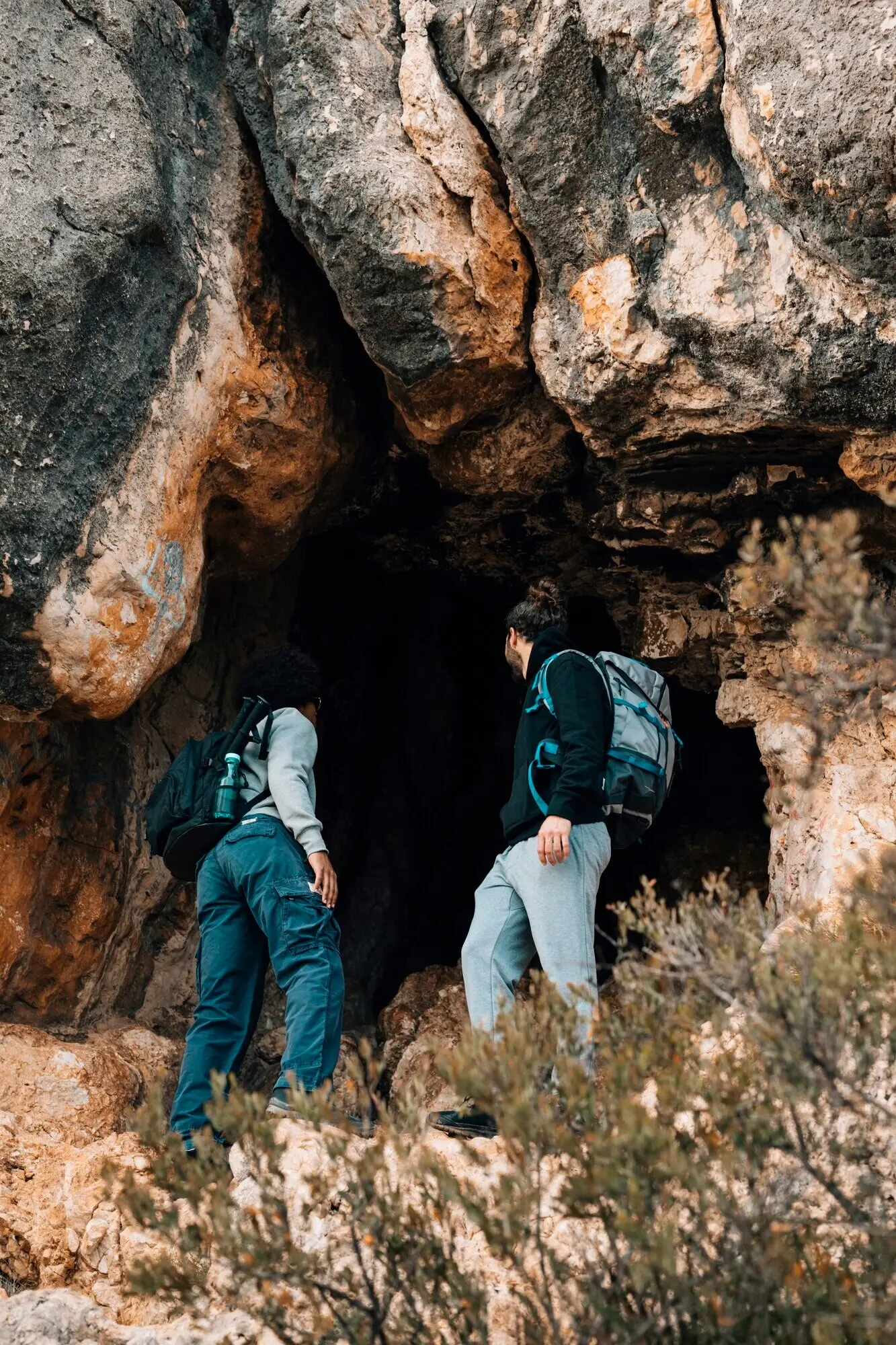
Limestone dissolves under slightly acidic rain, enlarging fractures into conduits, then caves, then sky-lit windows called sinkholes. Some windows collapse to form circular pools, while others become vents feeding swift spring runs. Paddlers glide across this living geology, reading subtle boils, turquoise upwellings, and vegetated shelves that reveal the quiet, persistent work of water carving time into stone.

Route Planning That Respects Current, Depth, and Access
Reading A Spring Run Map

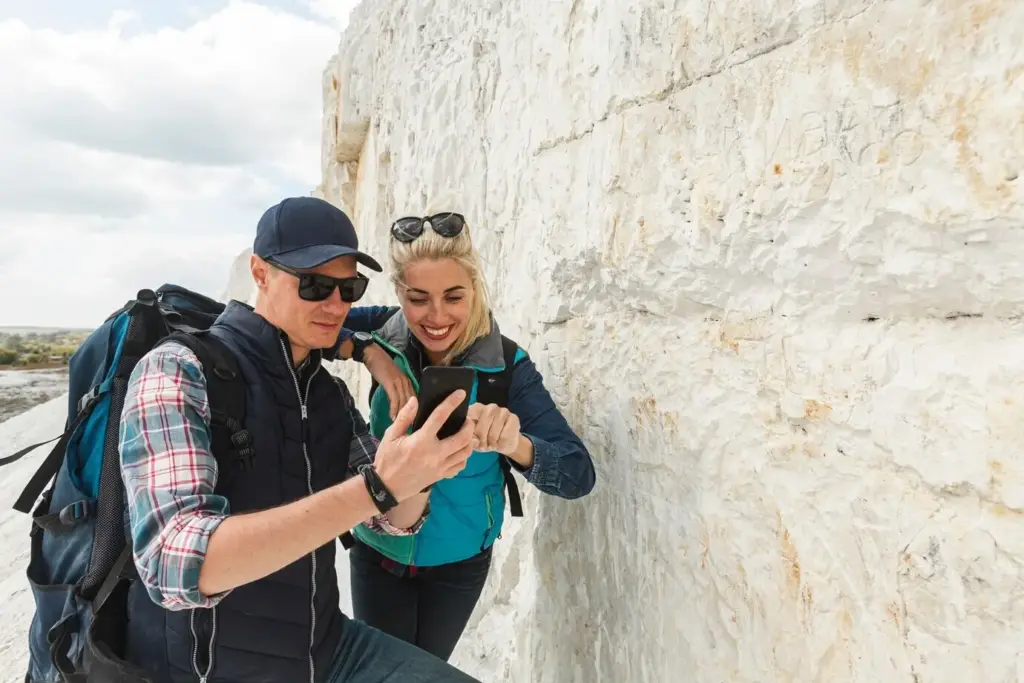
Layer satellite imagery with topographic sheets, spring vent inventories, and local outfitter notes to track currents, shoals, and access sites. Mark potential strainers after storms and identify slow-water eddies for rests. Cross-check state park regulations and seasonal wildlife advisories. A crisp map becomes a promise: deliberate choices today lead to calm water and confident strokes tomorrow.

Timing The Paddle For Light, Flow, and Solitude

Arrive at dawn to catch mist lifting from cool water, when wildlife still rules the banks and reflections glow. Choose weekdays over weekends, and winter manatee seasons over noisy holidays. Monitor USGS gauges and rainfall to predict clarity. When sun angles high, target shaded reaches to preserve vivid color and avoid glare that flattens depth perception.

Shuttles, Loops, and Gentle Out-and-Backs

A downstream shuttle lets you surf the current and linger over blue holes without racing daylight. Loops can be possible where side springs rejoin main channels. Out-and-backs shine on short runs with steady flow, letting you savor favorite bends twice. Whichever you choose, match distance and gradient to group experience and planned photo breaks.

Skills and Gear for Crystal-Clear Currents

Transparent water is honest about every rock, grass blade, and vent boil, demanding quiet control. Bring a responsive kayak, canoe, or SUP; a snug PFD; a spare paddle; polarized sunglasses; and dry layers for chilly spring temperatures. Refine ferry glides, sweep strokes, and gentle edging, protecting fragile grasses while slipping past limestone shelves like a whisper.

Wild Encounters and Gentle Etiquette

Karst corridors are living neighborhoods: manatees browse eelgrass, otters tumble through riffles, turtles sun on bleached logs, and kingfishers stitch sky to water. Your presence matters. Keep respectful distance, paddle softly, and float past blue holes without hovering above vents. Stewardship isn’t a rule; it’s the current that carries beauty forward for everyone.

Manatee Manners In Clear Water

Slow down, stow paddles if a manatee approaches, and let curiosity flow only one direction. Never chase, touch, or corner. Observe posted sanctuaries and seasonal restrictions, especially during winter congregations. Quiet drifting reveals whiskered muzzles and gentle tail flicks, moments far richer than any hurried approach could ever promise in fragile spring habitats.

Birdlife Along The Limestone Canopy

Green herons, anhingas, and belted kingfishers patrol the banks, while barred owls trade dusk calls above mossy limbs. Keep camera shutters soft and voices softer. Give space at roosts and nests, and avoid lingering beneath leaning limbs where birds rest. Let your wake vanish before their focus does, honoring patience with patience in return.

Leave No Trace In Fragile Water Gardens

Launch from designated sites, step only on durable surfaces, and never trample eelgrass or clip souvenirs from limestone ledges. Secure trash and microplastics, rinse gear to prevent invasives, and use reef-safe sunscreen. If you stir silt, pause and let life settle. Every careful habit keeps clarity clear, color true, and stories worth retelling tomorrow.

Stories From the Springs: Dawn, Mist, and Limestone Light

A Morning On The Ichetucknee

Fog lifted as turtles lined a sunlit log, their shells echoing the pale limestone below. I drifted, barely dipping a blade, when an upwelling showed as a trembling circle, blue within blue. A gar hovered motionless like punctuation. The river asked for nothing, gave everything: patience, balance, and confidence that quiet can carry you miles.

Silver River Reflections And Unexpected Company

The water was theater-glass clear, a mirror where cypress knees rehearsed shadows. Far ahead, rhesus macaques rustled the canopy, distant and uninterested in passing boats. I kept strokes steady, eyes soft, respecting space. A manatee surfaced once, a sigh like a secret. We traded one shared breath, then parted, both exactly where we belonged.

Ozark Karst Window, Brief And Bright

In the Ozarks, a gravel bar parted like curtains to reveal a cold tongue of springwater feathering into the main flow. I slowed, watching pale grass bend with the invisible hand of upwelling current. No sign proclaimed it; a map scribble and a ripple did. Wonder required only attention, and the willingness to linger.
Photographing The Impossible Blue

A circular polarizer deepens color by cutting surface glare, while manual white balance preserves subtle turquoise against white limestone. Kneel to lower perspective, avoid stirring silt, and wait for clouds to soften harsh noon sun. Shoot before and after strokes so ripples don’t smudge reflections. Most of all, let patience do the editing.

Mapping Your Discoveries With Care

Record GPX tracks, note vent boils, eelgrass meadows, and reliable eddies for rests. Cross-check community maps, but be cautious sharing exact coordinates of delicate blue holes or unstable banks. Add seasonal clarity notes and shuttle times. Good maps respect place and people, guiding adventure while guarding the quiet corners that make paddling feel sacred.

Join The Conversation And Paddle Further

Tell us your favorite spring runs, blue holes, and limestone backwaters. Comment with lessons learned, gear that surprised you, and routes worth repeating. Subscribe for deep dives into Texas Hill Country springs, Missouri’s Current River, and cenote-adjacent paddles. Your stories keep the water’s story flowing, turning readers into companions on the next bright bend.

Nufenemefarina
Privacy Overview

This website uses cookies so that we can provide you with the best user experience possible. Cookie information is stored in your browser and performs functions such as recognising you when you return to our website and helping our team to understand which sections of the website you find most interesting and useful.