

Treading Lightly Across Living Limestone
Where Water Carves the World You Walk
The hidden plumbing beneath each step
Beneath your boots, fractures widen into conduits, then vault into cathedral-like rooms where droplets build mineral sculptures grain by grain. Unlike slow, filtering wetlands, karst often transmits surface impacts quickly. Knowing that speed keeps soap, litter, and food crumbs out of sinkholes, swallets, and losing streams where they can rush, unfiltered, into springs people depend on every day.
Why a single touch can echo for centuries
Skin oils halt crystal growth on speleothems that may add only a millimeter in years. A careless handprint becomes a dark scar, a pause in geology’s patient script. Resist the urge to lean or steady yourself on formations, choosing clean rock, installed handlines, or your own balance. That restraint preserves future wonder for children who will stand there in breath-held awe.
Footfalls, Camps, and Company on Bare Rock
Reading rock textures to choose durable steps
Seek bedrock ledges, gravel patches, or already-hardened tread, avoiding mossy mats and solution rills that break like pottery. When ascending, place feet on stable ribs, not delicate runnels that channel stormwater. Descending, zigzag to reduce skid damage. If you must pass through vegetation, disperse steps to prevent a new path from forming. Each mindful choice leaves tomorrow’s view unscarred.
Low-impact camps on porous landscapes
Set tents on durable, previously used spots at least two hundred feet from sinkholes, losing streams, and cave entrances. Contain cooking splatters, use a stove, and keep soaps far from water. In limestone country, fires carve ugly scars and release charcoal that washes underground; skip them entirely when unsure. Pack out microtrash, and brush the site clean with gloved hands, not branches.
Quiet miles and right-sized groups
Karst carries sound through voids and gullies, disturbing roosting birds and cave-dwelling bats even when you cannot see them. Keep groups small so conversations stay hushed and scouting choices stay nimble. Smaller parties tread lighter, create fewer shortcuts, and manage waste more reliably. Let the loudest thing be wind through cedars, not a chorus of echoes announcing your passing to hidden rooms.
Inside the Dark: Gentle Conduct Underground
Hands off stone that grows like living ice
Stalactites, flowstone, and helictites grow painfully slowly, guided by drip chemistry and clean surfaces. A single smudge redirects water and changes growth forever. Keep hands to yourself, maintain body control, and use gear to avoid contact. Photograph from respectful distances, letting speleothems glow in honest light. Your self-control becomes a quiet gift to geology, allowing stories in calcite to keep unfolding.
Seasons of silence for winged neighbors
Bats burning winter fat cannot afford startle flights, and maternity colonies rely on calm to rear pups. Observe seasonal closures without exception. When entry is allowed, whisper, dim headlamps, and avoid shining light on roosts. Choose routes that bypass clusters, and never handle wildlife. Your stillness today helps sustain insect control and pollination benefits bats provide far beyond the cave entrance.
Air, light, lint, and crumbs matter more than you think
Fuzz from fleece, scattered snacks, and hot breath shift cave microclimates and feed microbial films that stain rock. Pack snacks in sealed pouches, avoid shedding layers, and manage condensation by reducing exertion. Keep lights low, turning beams away from reflective surfaces. Before exiting, perform a quick lint check, capturing stray fibers. Such unglamorous habits guard the unseen balances that keep caves alive.
Clean Gear, Clean Conscience
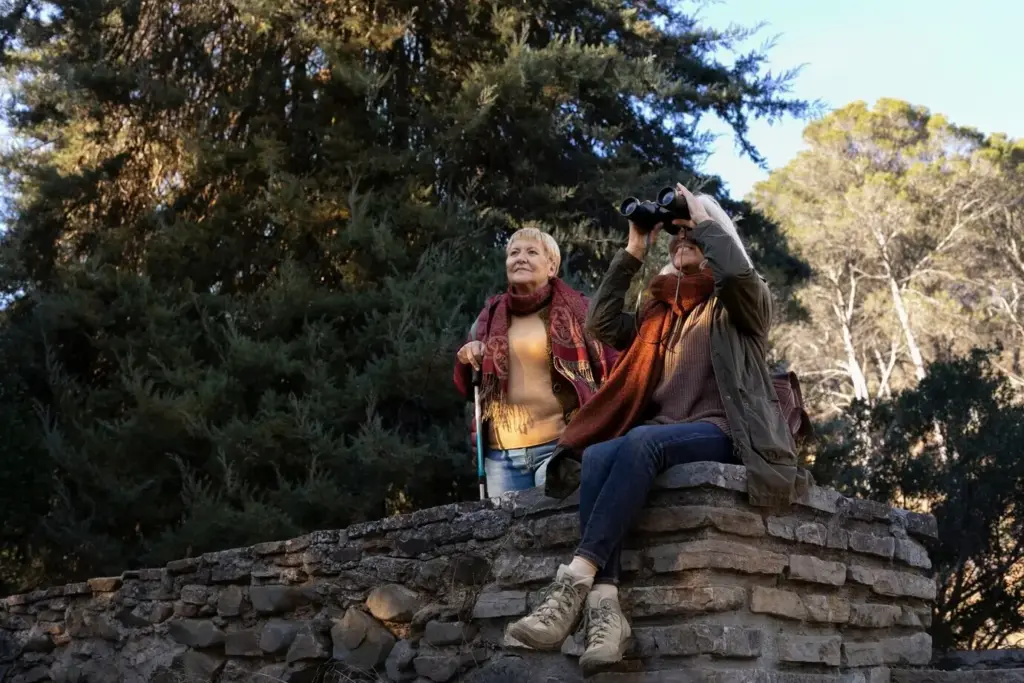
Field stations that make doing right easy
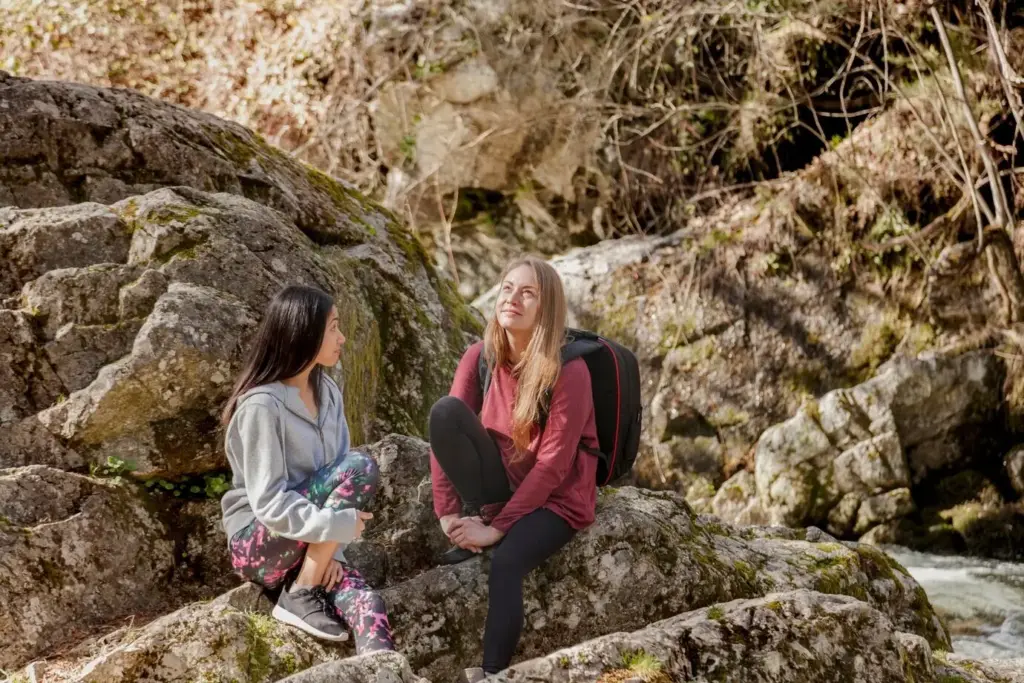
Keep mud local with dedicated kits
Principles in Practice for Porous Landscapes
Planning with hydrology in mind
Study maps for sinkholes, losing streams, and springs; heavy rain can turn paths into sluices carrying your mistakes underground. Check seasonal cave advisories and bat-sensitive periods. Pack extra trash bags, sturdy containers, and non-sudsing wipes. Share your route with land managers when appropriate. Thoughtful preparation shrinks uncertainty, reduces trailblazing temptations, and keeps your schedule flexible enough to choose the gentlest options.
Waste and water: packing it all out
In karst, burying often fails; soils are thin and perforated. Use sealable containers for all trash and consider wag-bags or approved human-waste systems, especially near sinkholes or caves. Strain dishwater, pack out scraps, and scatter strained water far from openings. A nose for cleanliness and a pocket for wrappers become heroic acts when every drop might flow to someone’s tap.
A spring clearing after neighbors joined hands
Mapping with respect turns notes into safeguards
How your voice and support open kinder paths
All Rights Reserved.