
Where Stone Meets Water: A Family’s Limestone Journey
Pack light, hold small hands, and step into family adventures in limestone country—short trails that welcome little legs, cold blue springs that sparkle beneath oaks, and natural bridges arched like ancient gateways. This guide shares practical tips, playful stories, and gentle geology for safe, joy-filled outings. Discover refreshing pauses, easy maps, and memories that fit between naps. Share questions or favorite spots below so other families can find wonder without worry.

Picking the First Path

Start with loops under two miles where surfaces stay firm after rain, shade repeats often, and parking sits close to restrooms. Check elevation profiles for gentle gains, note creek crossings, and choose routes with turnoffs that allow quick exits if moods shift suddenly.

Pace, Pauses, and Play

Set a rhythm kids can trust by using micro-goals: the next bend, a sunlit stump, a bridge railing for counting leaves. Sprinkle in games, bubble breaks, and snack celebrations. Frequent, predictable stops reduce whining, prevent overheating, and turn distance into a string of attainable delights.

Reading the Rocks

Point out pitted limestone that looks like honeycomb, explain how rainwater dissolves calcium carbonate, and invite kids to trace tiny channels with fingers. Notice fossil fragments near cut banks, discuss time measured in shells and sand, and connect today’s footsteps with ancient seas beneath.

Secrets of the Springs: Cool Water, Safe Fun

Wade-Friendly Spots

Before shoes splash, scan for gravel shelves, gentle current, and clear access free of thorny brush. Avoid deep plunge holes disguised by reflections. Teach kids to shuffle feet to protect toes and alert resting fish, transforming tentative steps into confident, laughter-filled wading practice.

What the Water Says

Show children how ripples accelerate where the spring vent pushes, how aquatic plants sway like quiet flags, and why limestone beds sparkle in sunlight. Listening for burbling notes reveals subtle depth changes, guiding curiosity without fear and turning observation into a safe navigation lesson.

Keeping It Clean

Choose mineral sunscreen, apply well before wading, and keep soaps away from the water’s edge. Pack out crumbs and peels, because even natural leftovers disrupt spring critters. Teach gentle splashing and quiet voices so wildlife feels welcome, and future families inherit sparkling tranquility.

Natural Bridges and Stone Arches: Gentle Awe for All Ages

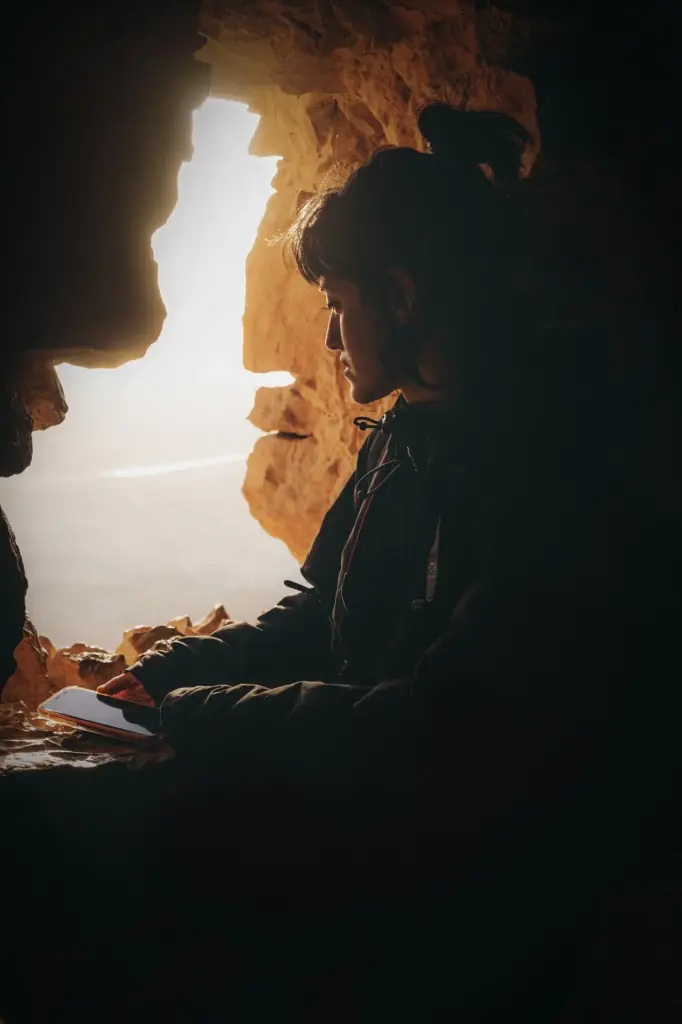
In limestone country, arches often begin as cave roofs, then daylight arrives when ceilings thin, crack, and finally give way. Visiting these spans inspires careful footsteps and wide eyes. Learn approach etiquette, observe falling-rock zones, and marvel at shadows that swing with passing clouds.

Packing Light, Exploring Right

Backpacks Built for Sharing

Choose a pack with side pockets for quick water, front straps for light jackets, and hip belts that actually carry weight. Rotate who wears it at landmarks, turning chores into rituals. Add a child carrier only if trails and temperatures truly welcome extra load.

Water, Snacks, and Small Miracles

Pack more water than you think, seal salty snacks in small bags, and surprise small hikers with citrus slices dipped in cinnamon sugar. Bring collapsible cups for sharing, and an electrolyte ice cube tucked in insulation, transforming ordinary sips into cheers near every milestone.

Tiny Field Kit for Curious Minds

Slip in a magnifier, waterproof notebook, stubby pencil, and painter’s tape for rubbings of bark or sandstone. Add a small vial for harmless water samples and a featherweight guide to common fossils, empowering kids to notice, compare, and narrate discoveries all by themselves.

Shells Turned to Stone

Show how calcium-rich mud trapped ancient sea life, then hardened under pressure into limestone packed with fossils. When you spot a scallop shape or crinoid stem, encourage drawing instead of collecting, protecting delicate stories while giving kids a keepsake made by their own hands.

Layer Cakes of Earth

Read cliffs like book pages, noting thin beds, thicker benches, and subtle color changes after rain. Invite guesses about quiet lagoons versus storm layers. Build a snack with stacked crackers, spreads, and raisins to mirror strata, turning abstract time into crunchy, delicious understanding.

Hands-Off, Eyes-On

Explain why leaving fossils protects complete outcrops for scientists and future visitors, then celebrate observation over ownership. Photograph finds beside a coin for scale, log coordinates on your map, and share respectful discoveries with rangers, modeling stewardship that lasts longer than souvenirs ever could.

Planning a Day That Feels Like a Weekend

Aim for breezy overlooks at sunrise, spring wading before crowds, then a shaded loop during the brightest hours. Use snack alarms instead of strict timetables. Flexibility keeps morale high, helps avoid heat stress, and preserves energy for late-afternoon marveling beneath stone arches.
Choose a flat rock near shallow flow, anchor wrappers with pebbles, and keep crumbs contained with lidded bento boxes. Midday meals shine with juicy fruit, crisp vegetables, and shade-lazy conversations. Finish with a cold-foot minute that resets patience for the return stroll.
As sun angles lower, arches catch warm light and shadows drift like curtains. Plan a final stop where parking remains open, insect repellent is handy, and an extra layer waits. Invite reflections, trade favorite moments, and consider subscribing for fresh route ideas each month.
Nufenemefarina
Privacy Overview

This website uses cookies so that we can provide you with the best user experience possible. Cookie information is stored in your browser and performs functions such as recognising you when you return to our website and helping our team to understand which sections of the website you find most interesting and useful.